

Pattern & Thread
Practice area

The Neurodivergent Staffroom

Schools ask a lot of their staff and rarely design for how they experience the working day. This work starts with how staff sense the day, not only how they teach.

Knowing our own and each other's sensory profiles, so we can work better together.

The lens

Every nervous system, not only the diagnosed ones

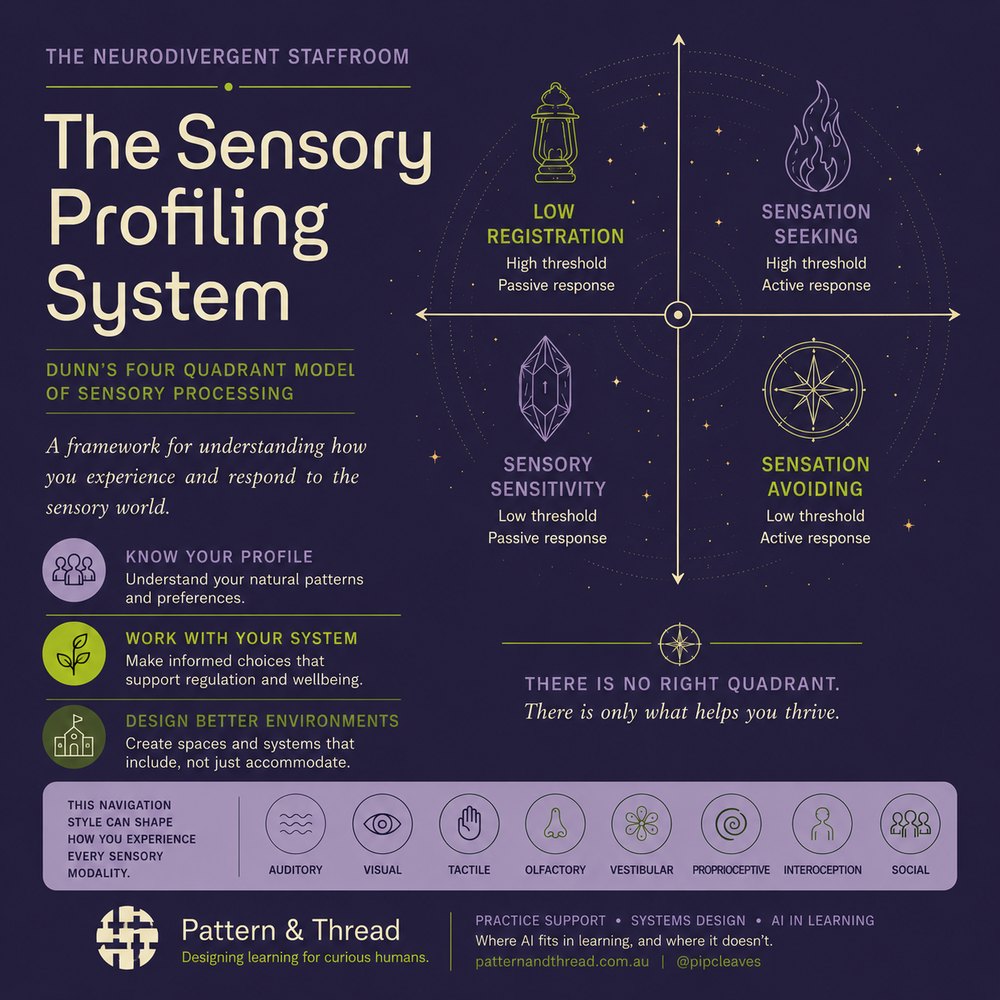
The Sensory Profiling System overview: Dunn's four quadrants of sensory processing, low registration, sensation seeking, sensory sensitivity and sensation avoiding, with the eight sensory modalities. There is no right quadrant.

The work is built on Winnie Dunn's Sensory Processing Framework, used as a universal lens rather than a diagnostic tool or a deficit model. It's for neurodivergent and neurotypical staff alike.

The question shifts from "how does this person adapt to our environment?" to "what does this environment need to be for the people who work here?"

  • Staff take part without having to disclose anything
  • Patterns go to the school; individual insight stays with the person
  • Outputs are design briefs for spaces, schedules, meetings and communication, not reports that sit on a shelf
The cards

Four quadrants, no right one

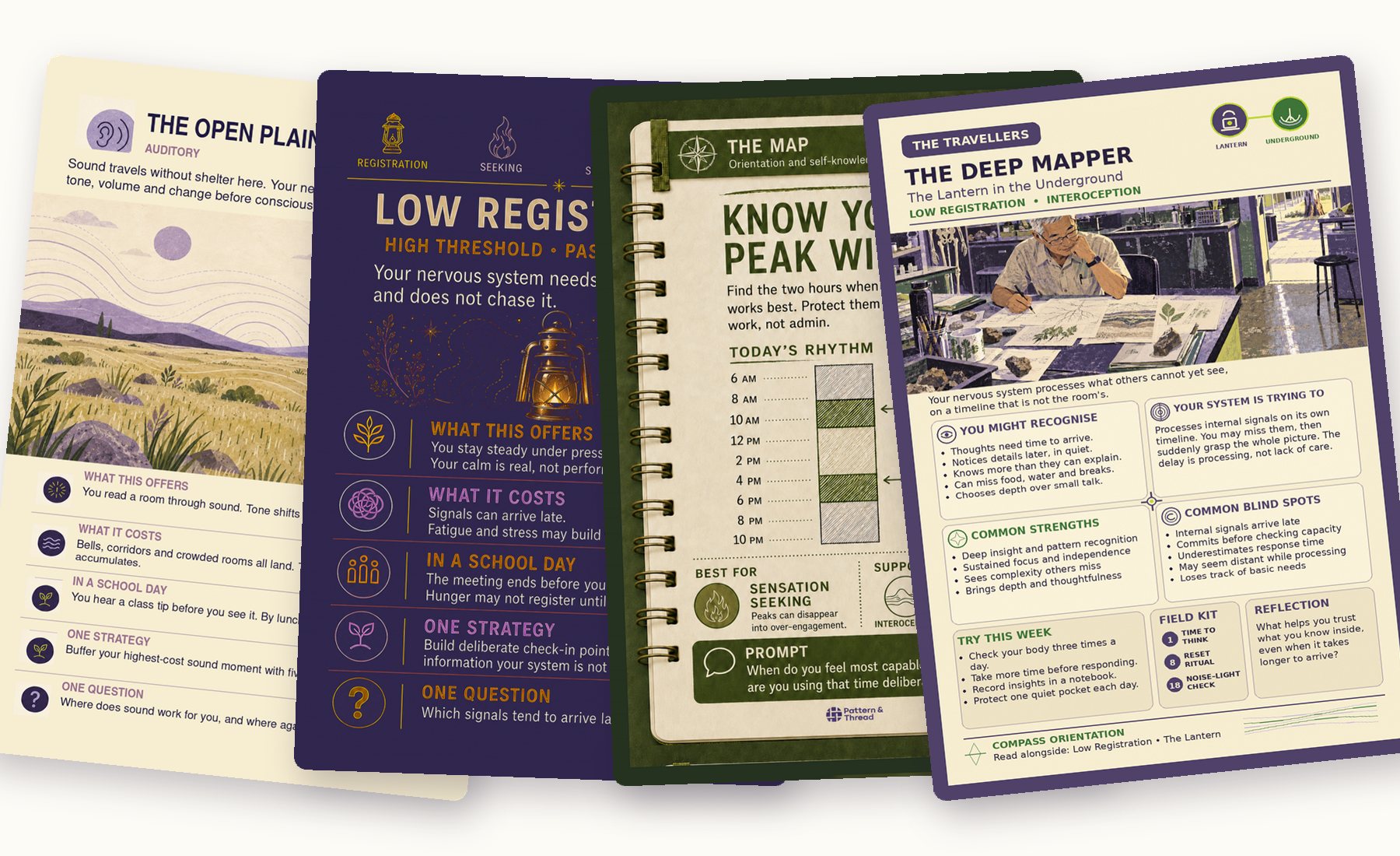
One card from each stage of the system. The Compass draws on Dunn's quadrant model of sensory processing as a way to understand how you experience and respond to the sensory world, with no single quadrant held up as the goal.

Four cards from the Sensory Profiling System: The Open Plain, Low Registration, Know Your Peak Windows and The Deep Mapper
The system

Terrain, Compass, Field Kit, Traveller

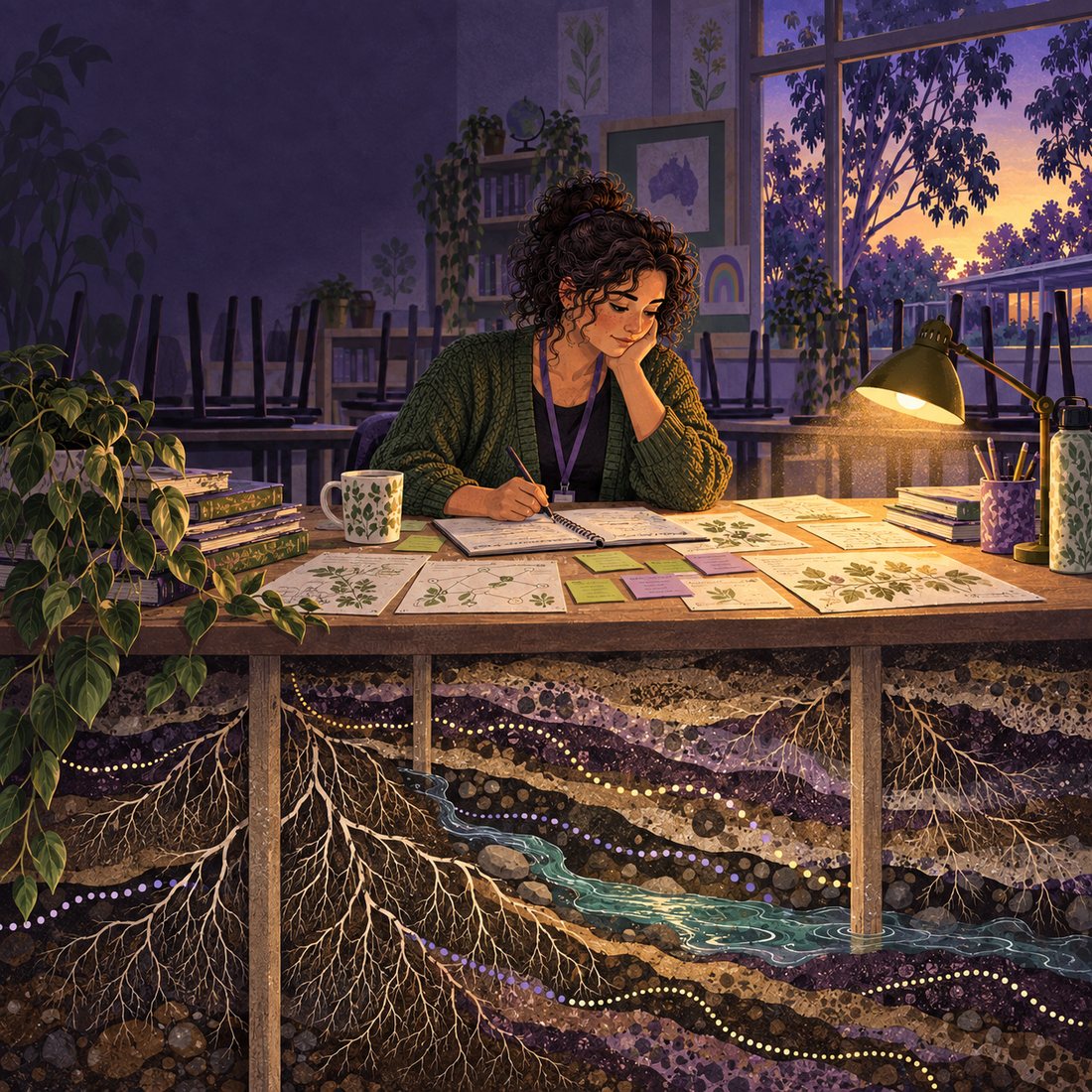
An illustrated teacher at her desk at dusk, with the landscape of the school day running beneath the floor

The sensory profiling system is built in four stages. Each one becomes a card you make yourself, so the day ends with a personal set you can use, not a page of notes.

  1. Terrain

    The environments you work in, and what each one asks of you.

  2. Compass

    How you navigate a room: your own sensory profile.

  3. Field Kit

    The strategies and changes that make a day cost less.

  4. Traveller

    Bringing it together into how you'll move through the term.

Ways in

Workshops and school work

Public workshop · Introductory series Nov and Dec 2026

The Sensory Profiling Workshop

A full day building your own sensory map and field kit. The afternoon splits into two tracks: what you take back for yourself, and what you take back for your school.

Where
LCI Melbourne, Collingwood
When
12 November and 3 December 2026
Cost
$500 per person, introductory pricing
Places
15 to 20
Book on Humanitix →
For your school

School leadership day

For deputies and middle leaders, the people with their hands on rosters, meetings and spaces. Leaders profile themselves first, then map their own school's environment and leave with a small number of named commitments.

Book a day →
For your school

Multi-visit work

For schools ready to move past a single day. Scoped with each school, it tends to run audit, design, embed, then a check-in the following year so the change holds.

Start a conversation →
Speaking

Conference session

Fifty minutes on the masking tax, systems over deficits, and one Field Kit strategy given fully. Built for conference programmes.

Enquire →
An idea I'm testing

Build Rooms

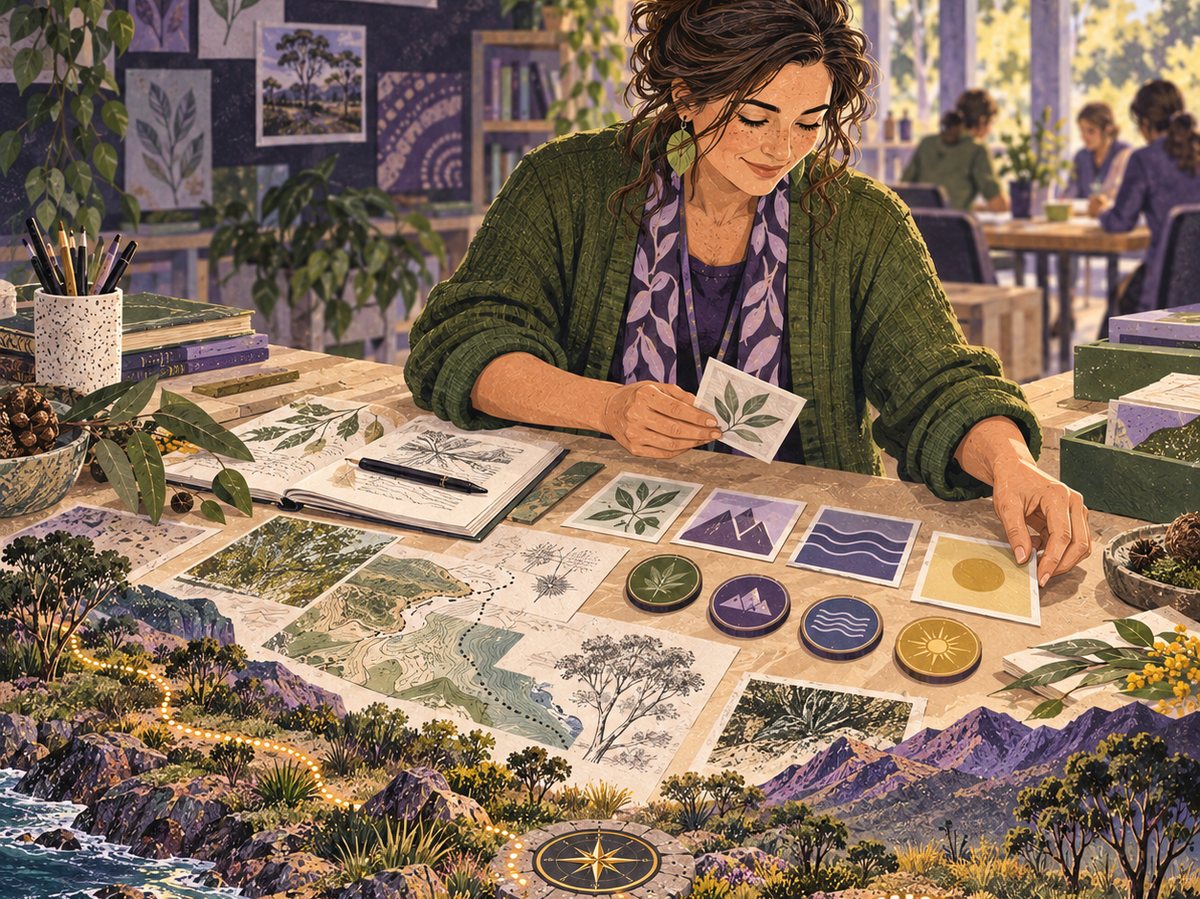
An illustrated teacher building her own sensory field kit from cards and notes

Short online sessions where you make or change one thing rather than listen to information about it. This is still an idea, so the format will follow whoever wants to come.

What a session might build:

  • Map the sensory cost of your workday
  • Redesign one sensory friction
  • Build your personal Field Kit
  • Redesign a recurring meeting for neurodivergent humans
Tell me you'd come →
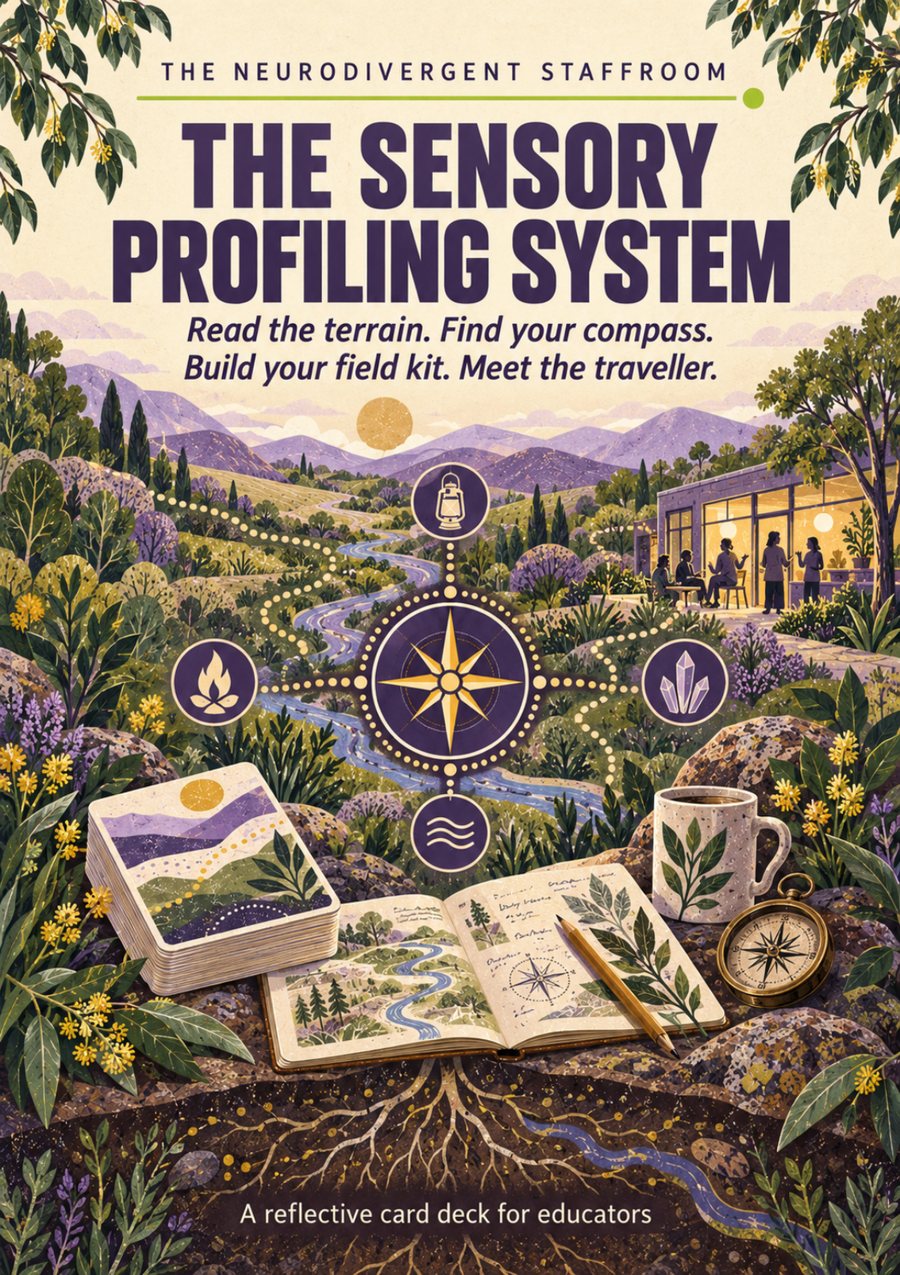
The Sensory Profiling System poster: read the terrain, find your compass, build your field kit, meet the traveller
Cards

The Sensory Profiling System

Read the terrain. Find your compass. Build your field kit. Meet the traveller.

A reflective card deck for educators, and the physical companion to the workshop, for reference long after the day.

Contact

Bring a question

Write with what's happening and what you've already tried. That's enough to start a conversation.